
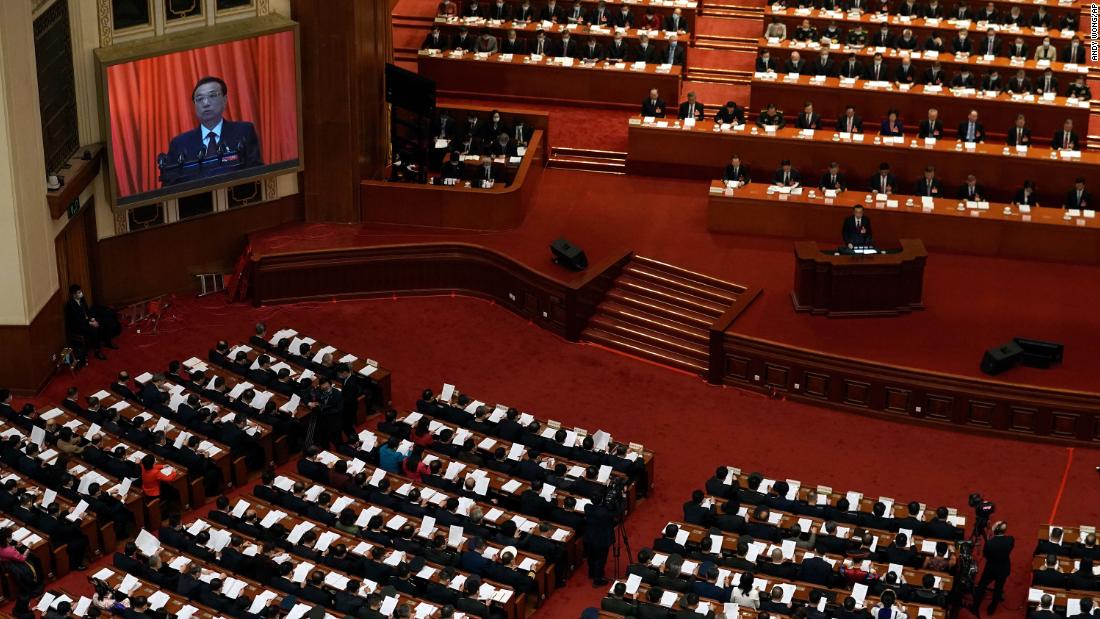
China faces massive climate and tech worries in its bid for world wide management
Those are lofty ambitions, and until eventually now it had been much from very clear how Beijing prepared to accomplish them. But the globe bought far more clues very last week when Premier Li Keqiang outlined some factors of the country’s agenda, and Beijing launched a draft of the five-year strategy.
Shedding reliance on foreign tech
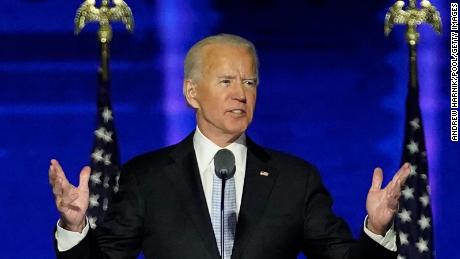
Li stressed the significance of technological advancement and innovation for the duration of his speech on Friday. He explained that China will enhance spending on analysis and growth by more than 7% per year. The Chinese federal government has beforehand determined semiconductors, 5G networks and cloud computing as crucial regions, among other individuals.
Condition vs. non-public sector
The government has created very clear in modern months — and in its new 5-year strategy — that this sort of providers will be anticipated to toe the Chinese Communist Occasion line if they want to succeed.
“As Xi pursues ambitions for China at the slicing edge of technological innovation, Beijing recognizes that a major-down method has limitations,” Eurasia Group analysts wrote in a modern investigate report. “But Beijing’s willingness to leave more to the market place will be challenged by Xi’s perception of urgency and recurrent desire for a robust hand for the [Party] and condition.”
The new five-yr approach gave more perception into how authorities want to increase their reach. Tech providers are “encouraged” to share info related to investigation, e-commerce and social networks.
Achieving carbon neutrality
As China charts its economic trajectory for the coming years it will also have to equilibrium those people ambitions with an urgent want to tackle the weather disaster.
The region invested decades staking its ascent on substantial infrastructure assignments and producing, building an economic motor that is now heavily reliant on dirty power. And analysts have stated that pressures brought on by Covid-19 and tensions with the West are pushing China to spend far more on those power resources, not much less.
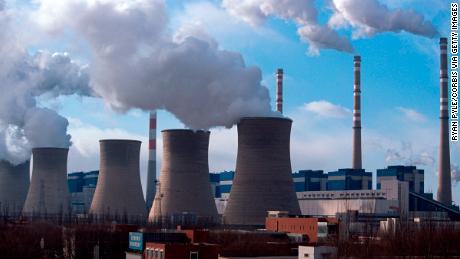
Still, the country has last but not least started off outlining some aspects on how it needs to perform towards its climate coals.
Even before the “Two Sessions” meeting kicked off, the state energy grid had unveiled strategies to up grade its network, reduce coal-electricity technology and create charging stations for electric powered motor vehicles.
The draft five-yr plan contained much more benchmarks. By the stop of 2025, China aims to improve the use of non-fossil fuels to 20% of full electrical power intake from the recent amount of 15%. That features efforts to build far more nuclear electrical power stations and cleanse vitality services.
Leading Li said Friday that China intends to slice strength intake for every unit of GDP by 3% in 2021. It options to do so by eradicating major air pollution and demanding some 70% of heating in the northern part of the nation to appear from clean power resources, amid other strategies.
“This need to be a commence to dedicate to the net-zero carbon emission goal by 2060,” said Iris Pang, main economist for Increased China at ING, in a Friday report.
China outlined other techniques to achieve its coals, such as by means of the building of a lot more cleanse strength amenities like hydropower plants and wind farms.
But some local climate industry experts argue that the five-calendar year program nevertheless lacks major depth about how China will eventually transfer absent from coal in a more meaningful way.
“In conditions of the weather, original indications from China’s 14th 5 Calendar year Program are underwhelming,” stated Swithin Lui, guide China analyst for the Weather Action Tracker at NewClimate Institute, in a statement Friday. “Although it’s favourable that this program does reiterate its motivation to carbon neutrality by 2060, and peaking emissions in advance of 2030, there is tiny signal of the adjust required to achieve that goal.”
— Ivana Kottasová and Steven Jiang contributed to this report.