
SEO Website Optimization on a Budget
In today’s competitive digital landscape, every business wants to be seen by the right audience. Whether you’re running an e-commerce store, a personal blog, or a local business, SEO (Search Engine Optimization) is one of the most powerful tools to increase online visibility. However, many small businesses and startups face the challenge of optimizing their websites without a hefty budget. The good news is that SEO website optimization can still be effective without breaking the bank. It’s all about using smart, cost-effective strategies that maximize results. Here’s how you can optimize your website on a budget.
Understand the Basics of SEO
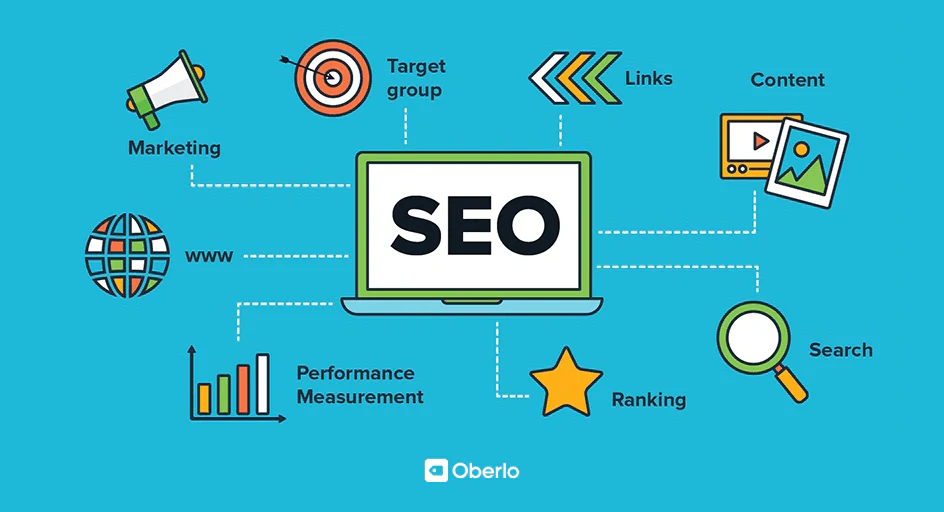
Before diving into complex strategies, it’s essential to grasp the fundamentals of SEO website optimization. At its core, SEO is about making your website more appealing to search engines like Google. This involves optimizing content, enhancing site structure, and improving technical aspects to ensure that search engines can easily crawl and index your site. By focusing on key elements such as keyword research, on-page SEO, and basic link-building, even a limited budget can yield significant improvements.
Keyword Research: The Foundation of SEO
Effective SEO begins with understanding the words and phrases your target audience is searching for. SEO website optimization without the right keywords is like fishing without bait. The good news is that keyword research doesn’t need to be expensive. There are numerous free tools available, such as Google Keyword Planner, Ubersuggest, and Answer the Public, that can help you discover relevant keywords for your niche.
By choosing long-tail keywords—phrases that are more specific and typically less competitive—you can rank higher in search results without the need for high-cost paid tools. Once you’ve identified your keywords, incorporate them naturally into your website’s content, titles, meta descriptions, and headers. This is a simple yet highly effective strategy that can make a world of difference in your search rankings.
On-Page SEO: Optimizing Your Website’s Structure
On-page SEO plays a pivotal role in SEO website optimization, and it’s an area that doesn’t require a large investment. Start with the basics of on-page SEO, such as optimizing your page titles, meta descriptions, and headers. Each of these elements plays a crucial role in helping search engines understand your content.
For example, your title tag should contain the target keyword and accurately describe the content of the page. Similarly, the meta description, while not directly influencing rankings, serves as the first impression in search engine results. A compelling and keyword-rich description can increase your click-through rate, driving more visitors to your site.
Additionally, ensure that your URL structure is clean, concise, and descriptive. A well-organized URL, such as “yourwebsite.com/affordable-seo-tips”, is easier for both search engines and users to understand than a long string of random characters.
Mobile Optimization: A Must for Every Budget
More users now browse the web on mobile devices than ever before, making mobile optimization an essential aspect of SEO website optimization. The good news is that Google’s mobile-first indexing means that a website’s mobile performance has a direct impact on its search rankings.
Thankfully, mobile optimization doesn’t have to be costly. Start by ensuring that your website is responsive, meaning it automatically adjusts to fit any screen size. Many website builders, such as WordPress and Wix, offer responsive themes that automatically adapt to mobile devices, which can save both time and money. Additionally, check your website’s loading speed on mobile. Slow load times can deter visitors, so optimizing images, reducing unnecessary elements, and using tools like Google PageSpeed Insights can help you identify areas for improvement.
Content Optimization: Quality Over Quantity
When it comes to SEO website optimization, content is king. High-quality, engaging content is one of the most effective ways to improve your rankings without spending money on ads. The goal should always be to provide value to your audience through well-researched, informative, and well-written content.
Start by creating content that answers common questions or solves problems for your audience. This can take the form of blog posts, how-to guides, or FAQs. Not only will this help you rank for relevant keywords, but it will also establish your website as a credible source of information. Moreover, you don’t have to produce an overwhelming amount of content. A few well-crafted, keyword-optimized articles can do wonders for your website’s SEO.
Link Building: Low-Cost Strategies to Boost Authority
Backlinks are another important factor in SEO website optimization. These links from other websites signal to search engines that your content is credible and authoritative. While acquiring high-quality backlinks often requires investment, there are many low-cost strategies you can implement to start building links.
One effective strategy is guest blogging. Offer to write a guest post for websites in your industry in exchange for a link back to your site. This not only helps improve your SEO but also increases your brand exposure. Additionally, you can reach out to industry influencers or bloggers to see if they’d be willing to link to your content, especially if it’s valuable and relevant to their audience.
Another cost-effective way to earn backlinks is by creating shareable content, such as infographics, tools, or research studies. These types of content are more likely to be referenced and shared by others, helping you naturally build backlinks over time.
Technical SEO: A DIY Approach
Technical SEO might sound intimidating, but many aspects of it can be tackled without hiring an expert. SEO website optimization includes optimizing your website’s backend to make it more search engine-friendly. Start by ensuring that your website has a clean XML sitemap and a robots.txt file, both of which help search engines crawl your site more efficiently.
You can also improve your site’s crawlability by fixing broken links, removing duplicate content, and ensuring that all images have appropriate alt text. While some of these tasks may require a little more technical know-how, there are plenty of free resources and tutorials online to help you learn how to implement them yourself.
Tracking and Analyzing Performance
Even on a budget, it’s important to track your progress. SEO website optimization doesn’t stop after implementing these strategies. Use free tools like Google Analytics and Google Search Console to monitor your website’s performance. These tools provide valuable insights into how visitors interact with your site and where improvements can be made.
By regularly tracking key metrics such as organic traffic, bounce rate, and conversion rate, you can adjust your SEO strategies as needed. Over time, this data will allow you to fine-tune your efforts and see greater results, all while sticking to a budget.